Why a Hot Attic Makes Your AC Work Overtime in Boca Raton
Your roof and your air conditioner are on the same team — here's how a 130-degree attic drives up cooling bills in Boca Raton.
Everyone in Boca Raton knows what the summer sun does to a parked car. Fewer people think about what it does to the attic over their heads. The space under your roof can hit 130 degrees on a July afternoon, and that heat leans on your ceilings, your ductwork, and your air conditioner all day long.
How Heat Builds Under a South Florida Roof
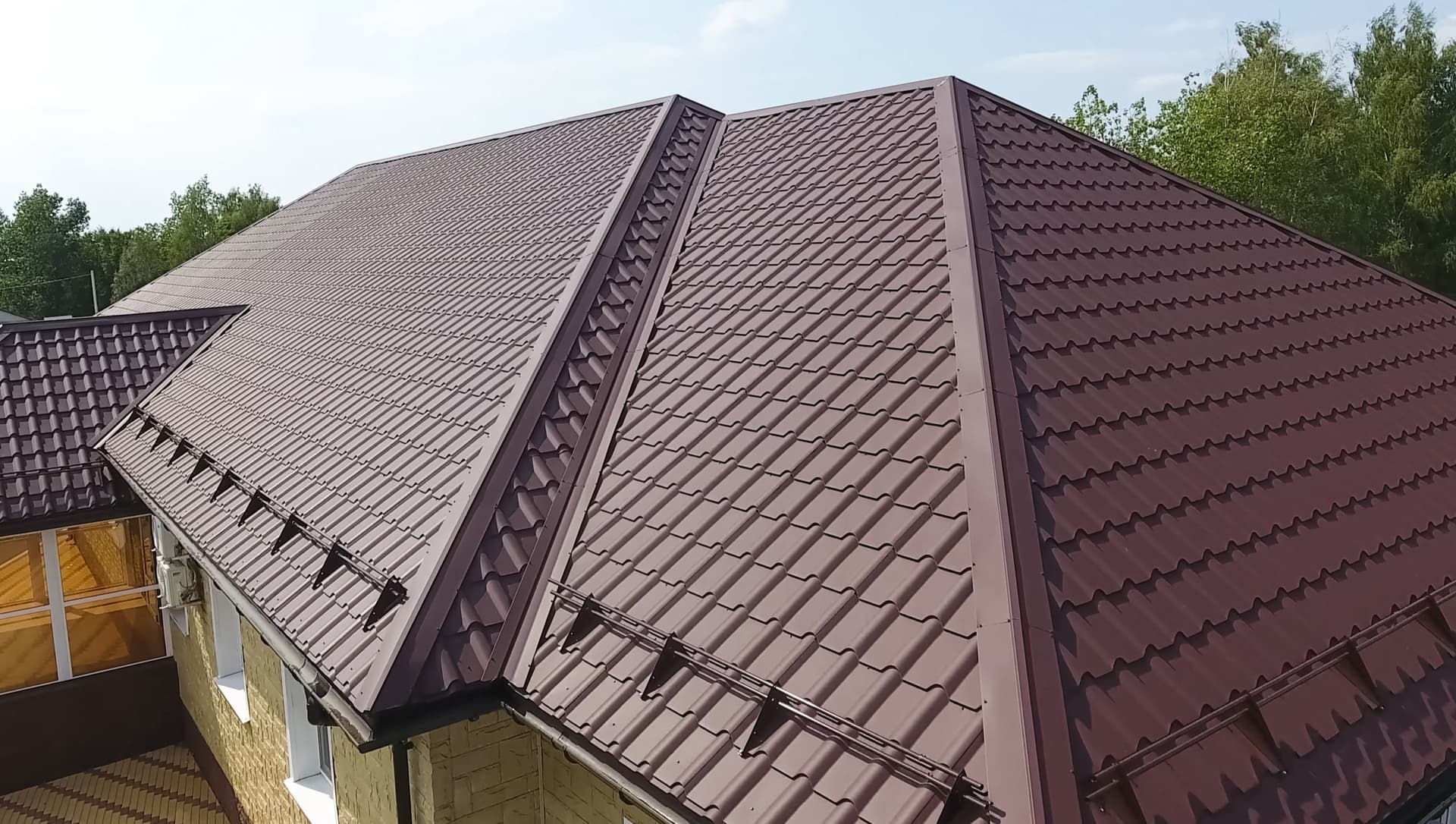
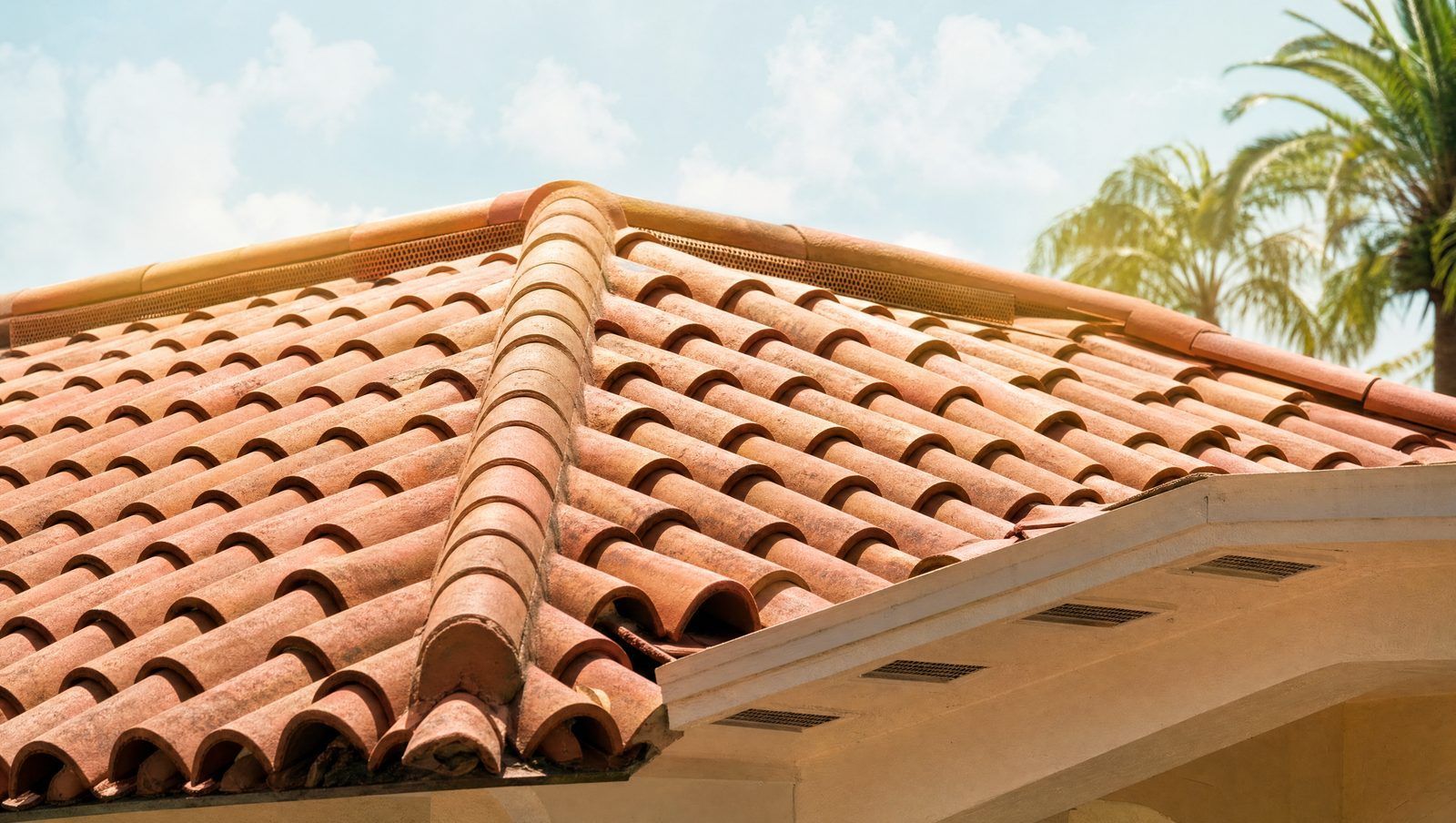
Tile and shingle surfaces soak up sun from morning to evening, and the attic beneath them works like an oven. Once the roof deck warms up, it radiates heat down into the attic air, the insulation, and everything stored up there. By mid-afternoon, the attic can run 40 to 50 degrees hotter than the rooms below it.
That temperature gap is exactly what your cooling system has to fight. Heat always moves toward cooler spaces, so a baking attic pushes warmth through the ceiling into your living space, even with decent insulation in between.
The Roof's Job: Reflect and Ventilate
A healthy roof manages heat two ways. Lighter or reflective surfaces bounce part of the sun's energy before it soaks in, and a working ventilation path, with soffit vents down low and ridge or off-ridge vents up high, lets hot attic air escape instead of building up.
When those vents get blocked by paint, debris, or a renovation that covered the soffits, attic temperatures climb fast. We see it constantly on older Boca homes: the roof looks fine from the street, but the attic has no airflow and the second floor never quite cools down.
What a Cooking Attic Does to Your AC
Your air conditioner is sized for a certain heat load. Put a superheated attic on top of it and it runs longer cycles and falls short on capacity during the hottest hours, which is exactly when you need it most. Longer run times mean higher bills and faster wear on the compressor and blower.
Ductwork makes it worse. In most Florida homes the ducts run through the attic, so your cooled air travels through the hottest part of the house before it ever reaches a vent. Leaky or thinly insulated ducts in a 130-degree attic can lose a shocking amount of cooling along the way.
Maintenance on Both Sides of the Ceiling
The fix is rarely one dramatic repair. On the roof side, it means keeping vents clear, checking that attic insulation hasn't slumped or shifted, and catching small leaks before they soak the insulation — wet insulation barely insulates at all.
The same logic applies to the cooling system. Contractors in brutally hot climates have moved toward a modular HVAC maintenance approach, breaking the system into components like coils, refrigerant, airflow, and electrical, and servicing each on its own schedule instead of giving the whole unit one quick glance a year. Arizona attics run even hotter than ours, and that component-by-component routine is a big part of how systems out there survive it. However your tech structures it, a system that gets regular attention handles a hot attic far better than one that only sees a screwdriver when something breaks.
When to Call a Roofer First
If your AC runs constantly but the upstairs still feels sticky, don't assume the air conditioner is the culprit. Have the roof ventilation and attic checked first. Blocked soffits, a failed ridge vent, or compressed insulation can mimic a struggling AC, and fixing them costs far less than replacing a unit.
A quick inspection tells you which side of the ceiling needs the work. Sometimes it's both, but either way you stop paying to cool an oven.